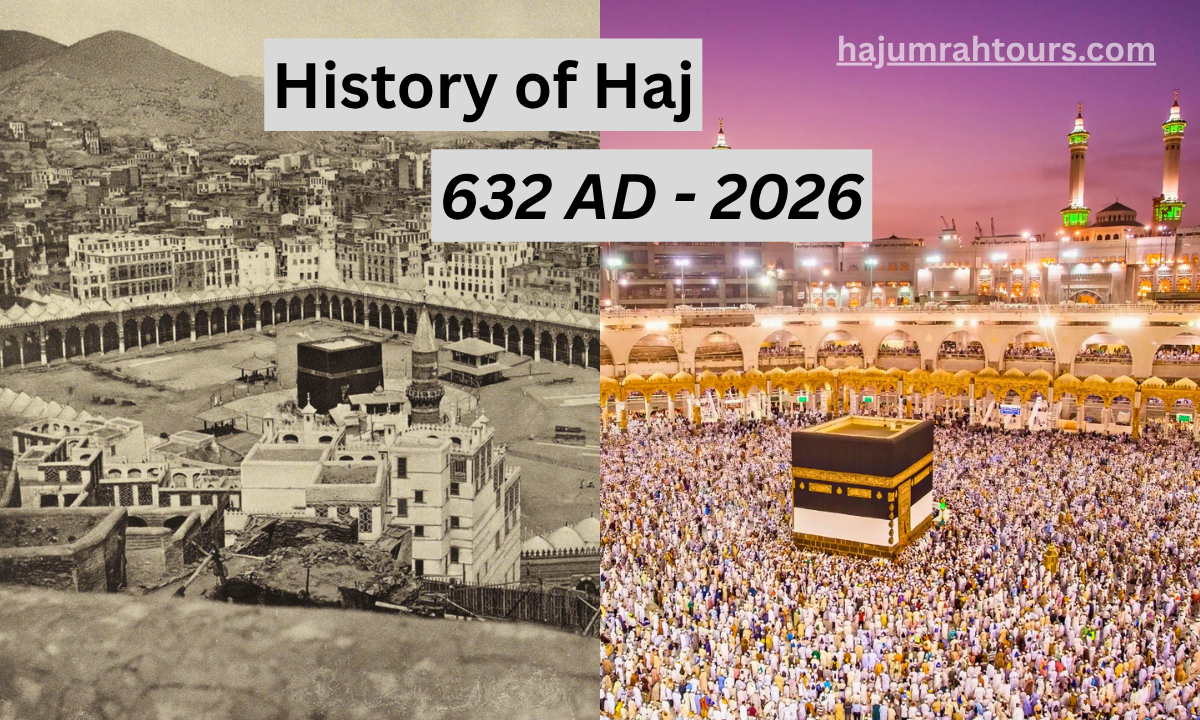
History of Haj: Hajj is one of the most significant acts of worship in Islam and holds deep historical, spiritual, and cultural importance. Every year, millions of Muslims from around the world travel to Makkah in Saudi Arabia to perform this sacred pilgrimage. The history of Hajj is not only ancient but also deeply connected to the lives of Prophets, especially Prophet Ibrahim (Abraham), Prophet Ismail (Ishmael), and Prophet Muhammad (peace be upon him).
This detailed guide explores the complete history of Hajj, its origins, evolution, and importance in modern times, while helping readers understand why it remains a central pillar of Islam.
What is Hajj?
Hajj is an annual Islamic pilgrimage to Makkah, and it is one of the Five Pillars of Islam. Every adult Muslim who is physically and financially able is required to perform Hajj at least once in their lifetime.
The pilgrimage takes place during the Islamic month of Dhul-Hijjah and includes a series of rituals performed over several days in specific locations such as Mina, Arafat, and Muzdalifah.
Origin of Hajj: The Time of Prophet Ibrahim (AS)
The history of Hajj begins thousands of years ago with Prophet Ibrahim (AS), who is considered one of the greatest prophets in Islam.
Construction of the Kaaba :
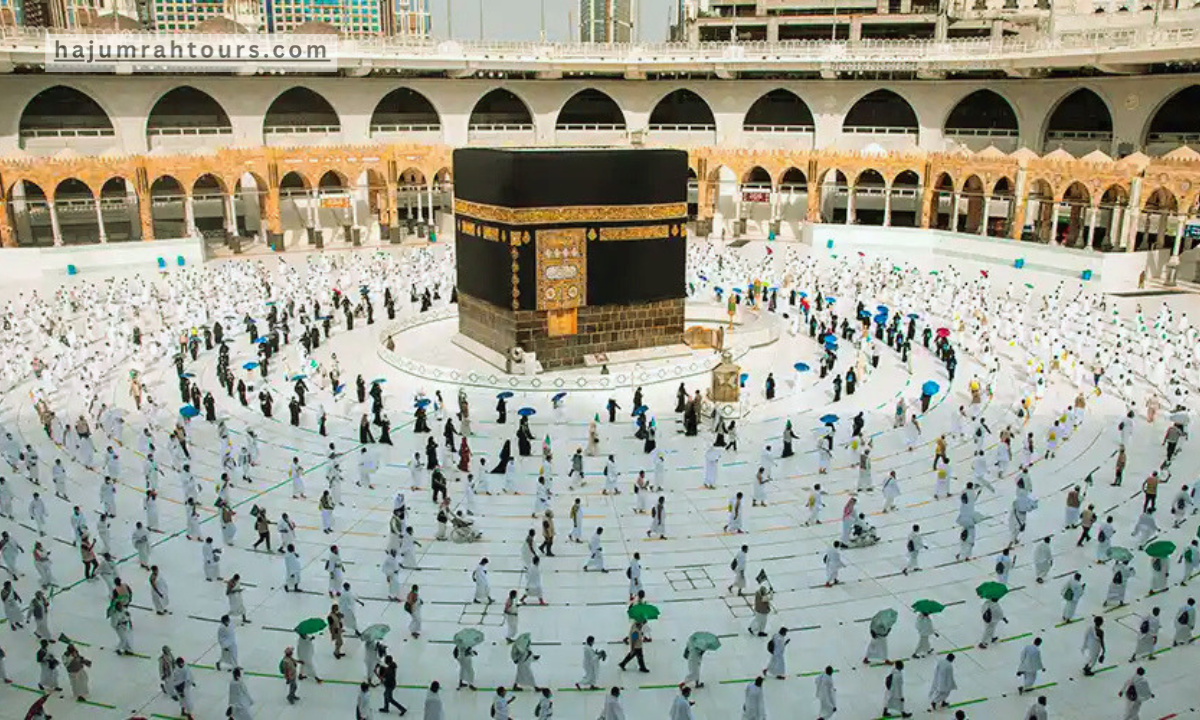
Allah commanded Prophet Ibrahim (AS) and his son Prophet Ismail (AS) to build the Kaaba in Makkah as a house of worship dedicated to one God. The Kaaba became the central point for worship and remains the direction (Qibla) for Muslims around the world.
The Call for Hajj :
After completing the Kaaba, Prophet Ibrahim (AS) was instructed to call people to perform pilgrimage. According to Islamic belief, this call reached people across generations, and they began visiting Makkah to perform Hajj.
The Story of Hajar (RA) and Zamzam
An important part of Hajj history is the story of Hajar (RA), the wife of Prophet Ibrahim (AS), and her son Ismail (AS).
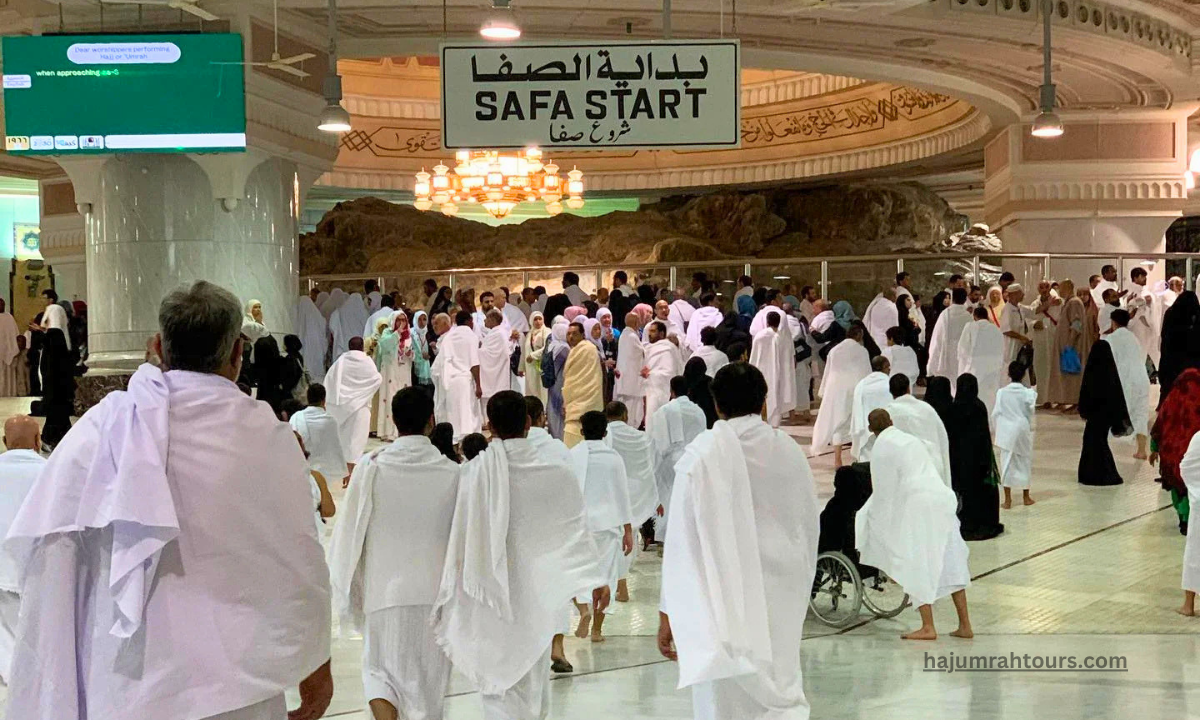
When Prophet Ibrahim left them in the desert of Makkah, Hajar ran between the hills of Safa and Marwah searching for water for her child. Her struggle is remembered in the ritual of Sa’i, which pilgrims perform during Hajj and Umrah.
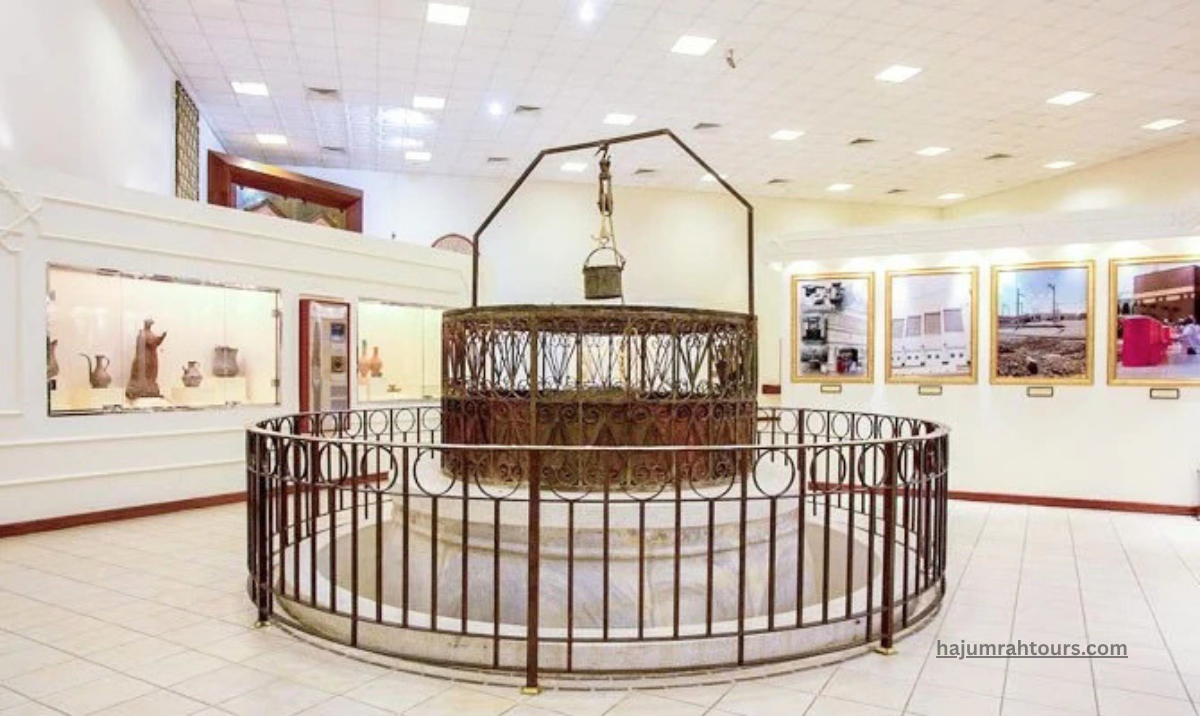
Allah then miraculously provided water through the well of Zamzam, which still exists today and is considered sacred.
Hajj Before Islam
Over time, the original monotheistic practices of Hajj were altered. Before the time of Prophet Muhammad (PBUH), the Kaaba became surrounded by idols, and pagan tribes introduced various non-Islamic rituals.
Some of these practices included:
- Idol worship inside the Kaaba
- Performing Tawaf without proper clothing
- Distorted rituals not aligned with the teachings of Prophet Ibrahim
Despite these changes, the pilgrimage itself continued, showing its deep-rooted importance in Arabian culture.
Restoration of Hajj by Prophet Muhammad (PBUH)
The true essence of Hajj was restored during the time of Prophet Muhammad (PBUH).
Conquest of Makkah :
In 630 CE, Prophet Muhammad (PBUH) conquered Makkah and removed all idols from the Kaaba, restoring it as a place of monotheistic worship.
Farewell Pilgrimage :
In 632 CE, the Prophet performed his first and only Hajj, known as the Farewell Hajj. During this pilgrimage, he demonstrated the correct way to perform all rituals, which Muslims continue to follow today.
He also delivered his famous Farewell Sermon, emphasizing equality, justice, and unity among Muslims.
Key Rituals of Hajj and Their Historical Roots
Each ritual of Hajj has a deep historical meaning:
1. Tawaf – Circling the Kaaba
Tawaf is one of the most important rituals of Hajj, where pilgrims walk around the Kaaba seven times in an anti-clockwise direction. This act symbolizes the unity of Muslims around the world who worship one God, Allah.
The Kaaba, which was built by Prophet Ibrahim (AS) and his son Ismail (AS), is the central point of worship in Islam. By performing Tawaf, pilgrims express their devotion and submission to Allah, just as Prophet Ibrahim (AS) did when he followed Allah’s command to build the sacred house.
Historically, even before Islam, people used to perform Tawaf, but many incorrect practices had entered the ritual. Prophet Muhammad (PBUH) later purified it and restored it to its original form, making it a symbol of pure monotheism.
Tawaf also represents the idea that Allah is the center of a Muslim’s life, just as the Kaaba is the center of the Tawaf. It creates a sense of equality, as millions of pilgrims move together in harmony without any distinction of status, nationality, or wealth.
2. Sa’i – Walking Between Safa and Marwah
Sa’i is the ritual of walking seven times between the two small hills of Safa and Marwah. This ritual honors the struggle and faith of Hajar (RA), the wife of Prophet Ibrahim (AS).
When Prophet Ibrahim (AS) left Hajar (RA) and their infant son Ismail (AS) in the desert of Makkah on Allah’s command, she ran between Safa and Marwah searching for water for her thirsty child. Despite the harsh conditions, she showed complete trust in Allah.
Her perseverance and faith were rewarded when Allah caused the Zamzam well to spring forth, providing water and saving their lives. Today, pilgrims perform Sa’i to remember her sacrifice, patience, and unwavering belief in Allah.
This ritual teaches an important lesson: no matter how difficult the situation is, one must keep trying and have faith in Allah’s plan.
3. Arafat – The Day of Standing
The Day of Arafat is considered the most important part of Hajj. Pilgrims gather at the plain of Arafat and spend the day in prayer, repentance, and reflection.
Historically, this place is significant because it is where Prophet Muhammad (PBUH) delivered his famous Farewell Sermon during his last Hajj. In this sermon, he spoke about equality, justice, and the rights of all human beings.
Standing at Arafat symbolizes humility before Allah. Pilgrims stand together, dressed in simple white garments, asking for forgiveness and mercy. It is believed that on this day, Allah forgives the sins of those who sincerely repent.
The experience of Arafat reminds pilgrims of the Day of Judgment, when all humans will stand before Allah. It is a moment of deep spiritual connection and self-reflection.
4. Stoning of the Devil (Ramy al-Jamarat)
The ritual of Ramy al-Jamarat involves throwing small stones at three pillars in Mina. This act symbolizes the rejection of evil and obedience to Allah.
This ritual is rooted in the story of Prophet Ibrahim (AS). When he was commanded by Allah to sacrifice his son, Satan tried to mislead him and make him disobey Allah. Each time Satan appeared, Prophet Ibrahim (AS) threw stones at him to drive him away.
By performing this ritual, pilgrims follow the example of Prophet Ibrahim (AS) and show their commitment to resisting temptation and staying on the path of righteousness.
It also serves as a reminder that every believer faces challenges and must actively reject negative influences in their lives.
5. Sacrifice (Qurbani)
The ritual of Qurbani commemorates one of the most powerful acts of faith in Islamic history. Prophet Ibrahim (AS) saw a dream in which Allah commanded him to sacrifice his son Ismail (AS). Without hesitation, both father and son were ready to obey Allah’s command.
However, at the last moment, Allah replaced Ismail (AS) with a ram, sparing his life. This event demonstrated their complete submission and trust in Allah.
During Hajj, pilgrims perform Qurbani by sacrificing an animal such as a goat, sheep, or cow. The meat is then distributed among the poor and needy.
This ritual teaches important values such as sacrifice, obedience, and compassion. It reminds Muslims to be willing to give up what they love for the sake of Allah and to care for others in society.
Evolution of Hajj Over the Centuries
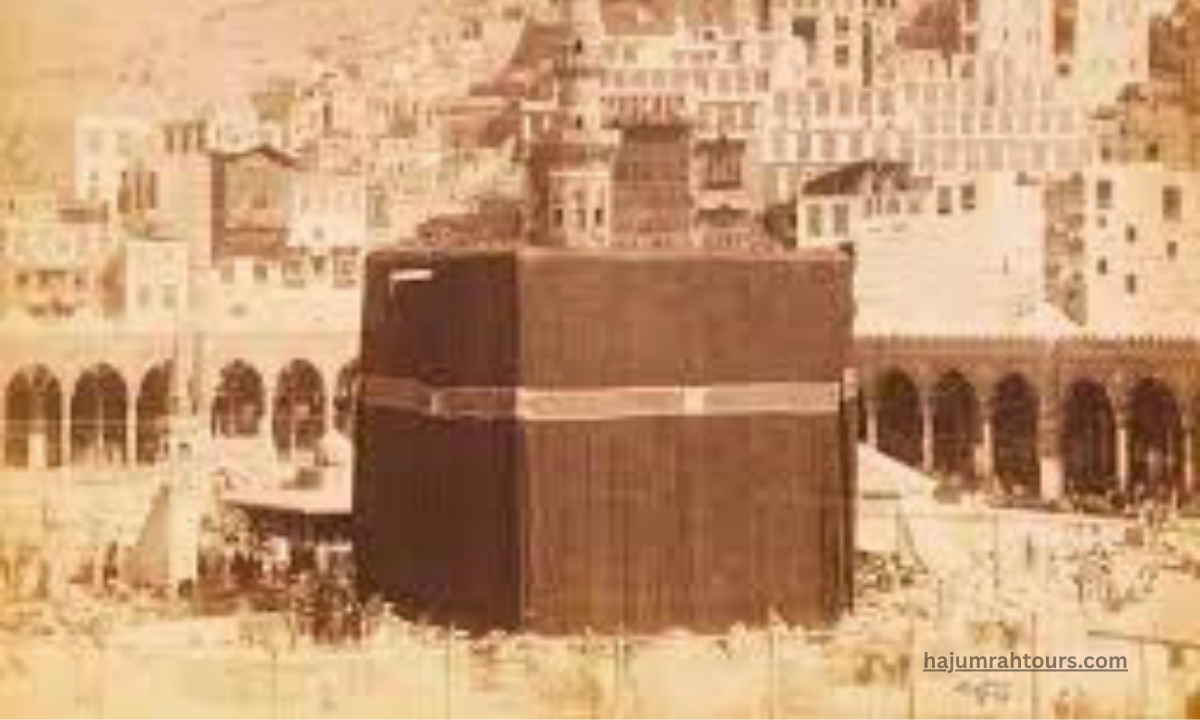
Early Islamic Period
During the early Islamic era, caliphs ensured the safety of pilgrimage routes and improved facilities for travelers.
Ottoman Period
The Ottoman Empire introduced significant infrastructure improvements, including roads, water systems, and security arrangements for pilgrims traveling from distant regions.
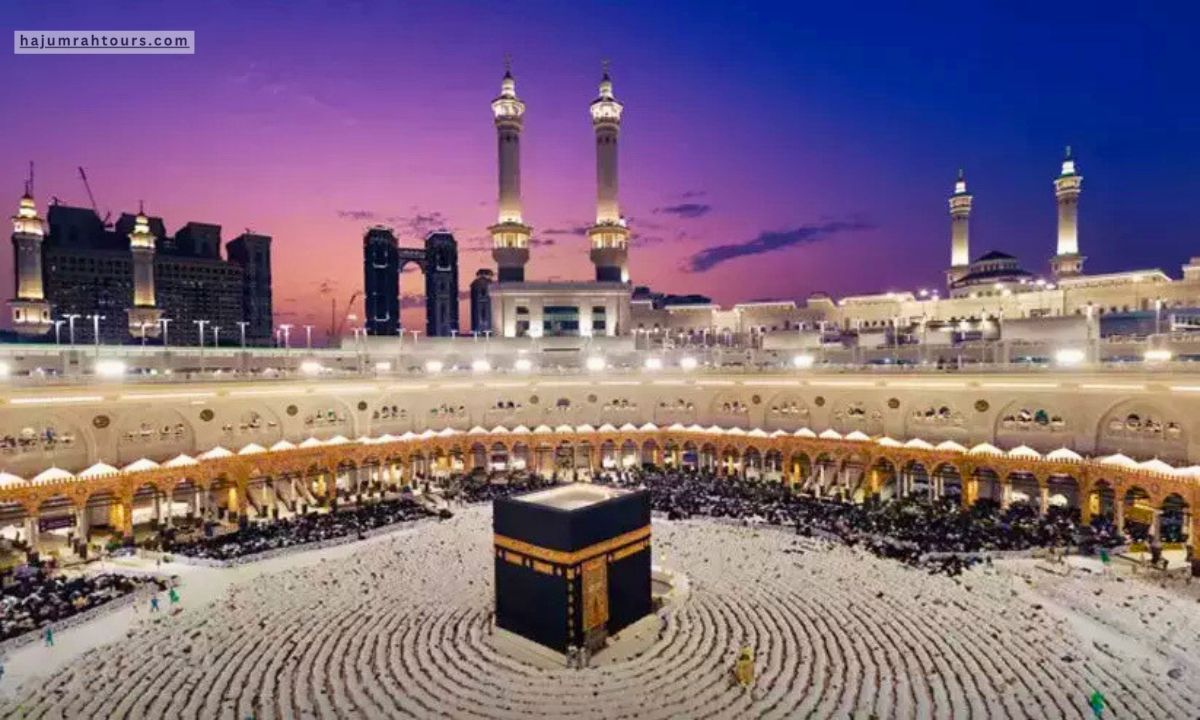
Modern Saudi Era
In the 20th and 21st centuries, Saudi Arabia has transformed Hajj into a highly organized event with advanced infrastructure, including:
- Expanded Grand Mosque
- Modern transport systems
- Digital services like Nusuk platform
- Crowd management using technology
Hajj in the Modern World
Today, Hajj is one of the largest annual gatherings in the world, with millions of pilgrims participating each year.
Modern developments include:
- Air travel making global access easier
- Online registration and visa systems
- Smart cards and digital tracking
- Improved accommodation and healthcare services
These advancements have made Hajj safer and more accessible while maintaining its spiritual essence.
Importance of Hajj in Islam
Hajj is not just a physical journey but a spiritual transformation. It teaches:
- Equality: All pilgrims wear simple white clothing (Ihram), removing differences of wealth and status
- Unity: Muslims from all over the world gather in one place
- Patience and Discipline: The rituals require physical and mental endurance
- Submission to Allah: Following the footsteps of Prophet Ibrahim
Also Watch this…