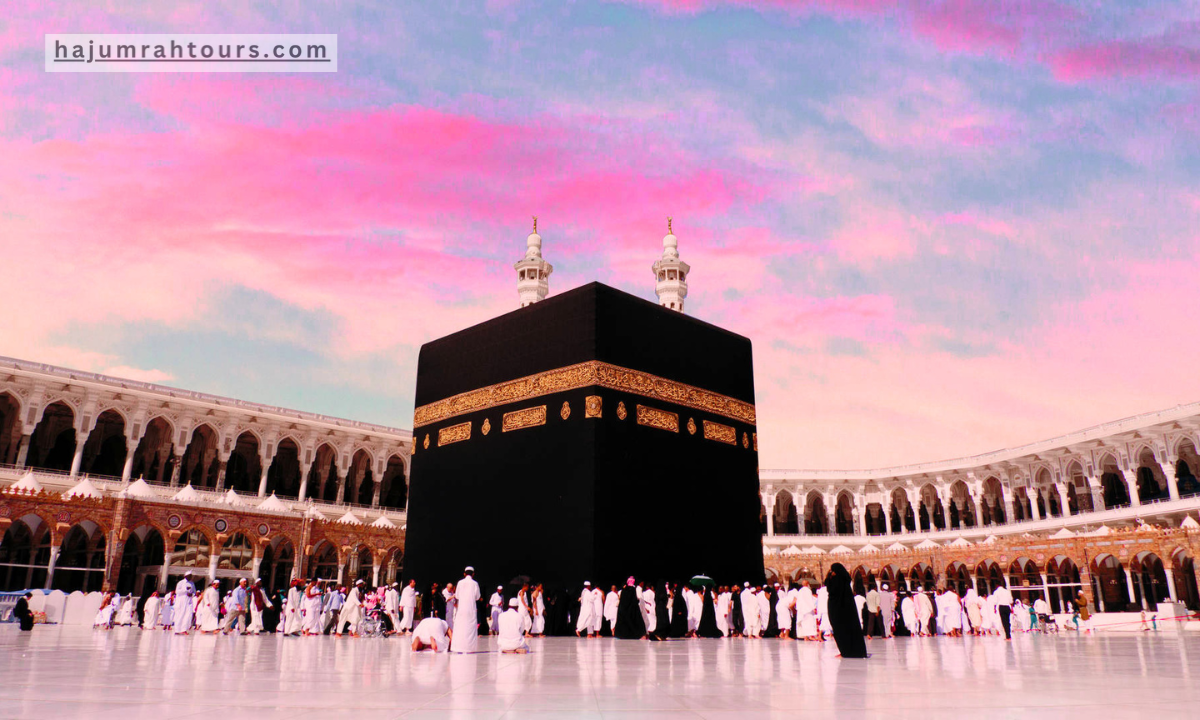
Umrah (العمرة) is one of the most beautiful acts of worship in Islam. It is a spiritual journey to Makkah (مكة) that brings a Muslim closer to Allah (الله). While many people know how to perform Umrah, fewer understand that there are different types of Umrah depending on the situation and intention.
Umrah Types in Islam: In this complete guide, you will learn about the types of Umrah in Islam, their meanings, differences, and when each type is performed. This article is written in simple, easy English so everyone can understand clearly.
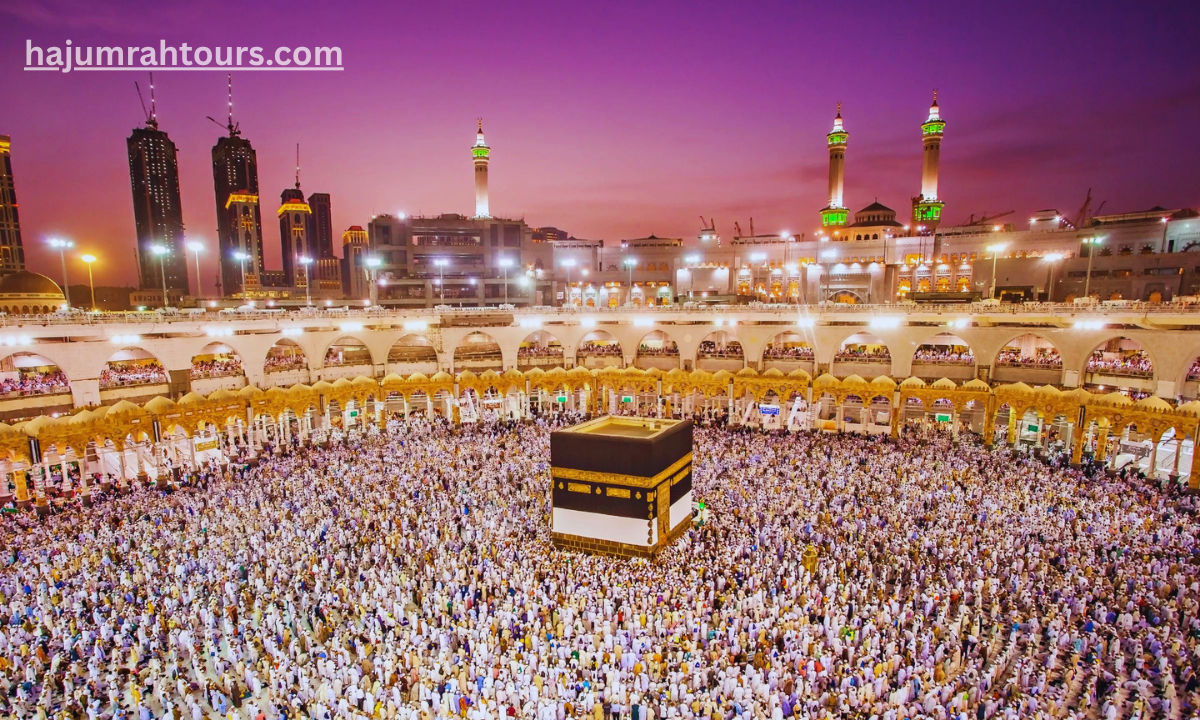
What is Umrah?
Umrah is a voluntary pilgrimage that includes specific rituals such as:
- Entering Ihram (الإحرام)
- Performing Tawaf (الطواف) around the Kaaba (الكعبة)
- Performing Sa’i (السعي) between Safa (الصفا) and Marwah (المروة)
- Cutting or shaving hair
Unlike Hajj, Umrah can be performed at any time of the year.
Why Understanding Types of Umrah is Important
Knowing the types of Umrah helps you:
- Perform the correct intention (Niyyah – نية)
- Avoid confusion during Hajj season
- Understand Islamic rulings clearly
- Plan your journey better
Many people mix up Umrah types with Hajj types, so learning this properly is very important.
Main Types of Umrah in Islam
There are two main types of Umrah in Islam:
- Umrah al-Mufradah (عمرة مفردة)
- Umrah as part of Hajj (Tamattu’ Umrah)
Let’s understand each one in detail.
1. Umrah al-Mufradah (Independent Umrah)
What is Umrah al-Mufradah?
Umrah al-Mufradah means performing Umrah independently, without linking it to Hajj.
This is the most common type of Umrah that people perform throughout the year.
When is it Performed?
- Can be performed at any time of the year
- Not connected to Hajj
- Very common during Ramadan (رمضان)
Who Performs It?
- People who travel only for Umrah
- Pilgrims who are not performing Hajj
- Anyone who wants spiritual reward anytime
Steps of Umrah al-Mufradah
The steps are simple:
- Enter Ihram (الإحرام)
- Perform Tawaf (7 rounds around Kaaba)
- Perform Sa’i (7 rounds between Safa and Marwah)
- Cut or shave hair
After this, Umrah is complete.
Benefits of Umrah al-Mufradah
- Flexible timing
- Less crowded compared to Hajj
- Easier to perform
- Great spiritual rewards
2. Umrah as Part of Hajj (Tamattu’ Umrah)
What is Tamattu’ Umrah?
This type of Umrah is performed during the Hajj season and is part of Hajj al-Tamattu’ (حج التمتع).
In this case:
- You perform Umrah first
- Then exit Ihram
- Later perform Hajj
When is it Performed?
- During the months of Hajj (Shawwal, Dhul Qa’dah, Dhul Hijjah)
- Before starting Hajj rituals
Steps of Tamattu’ Umrah
- Enter Ihram with intention for Umrah
- Perform Tawaf
- Perform Sa’i
- Cut or trim hair
- Exit Ihram
After that, you wait until Hajj begins and enter Ihram again.
Why is it Called Tamattu’?
The word “Tamattu’ (تمتع)” means to enjoy or take a break.
- After completing Umrah, pilgrims relax before Hajj
- They are free from Ihram restrictions temporarily
Importance of Tamattu’ Umrah
- It is the most recommended type for international pilgrims
- Easier compared to other Hajj types
- Allows rest between Umrah and Hajj
Key Differences Between the Types of Umrah
| Feature | Umrah al-Mufradah | Tamattu’ Umrah |
|---|---|---|
| Timing | Anytime | Only during Hajj season |
| Connection with Hajj | No | Yes |
| Ihram | Once | Twice (Umrah + Hajj) |
| Purpose | Independent worship | Part of Hajj journey |
Can You Perform Multiple Umrahs?
Yes, you can perform Umrah more than once.
However:
- It is recommended to maintain sincerity
- Do not rush or compete with others
- Focus on quality of worship, not quantity
Important Rules Related to Umrah Types
1. Niyyah (Intention)
Your intention must be clear:
- For Umrah alone
- Or for Umrah as part of Hajj
2. Ihram Rules
- Follow all Ihram restrictions
- Do not cut hair or nails while in Ihram
- Avoid perfume and arguments
3. Timing Matters
- Independent Umrah: Anytime
- Tamattu’ Umrah: Only during Hajj months
Common Mistakes People Make
Many pilgrims do not understand the types properly. Here are common mistakes:
- Confusing Hajj types with Umrah types
- Not making clear intention (Niyyah)
- Performing Tamattu’ incorrectly
- Not knowing when to exit Ihram
- Rushing rituals without understanding
Learning before going can prevent these mistakes.
Spiritual Benefits of Every Type of Umrah
No matter which type you perform, the benefits are powerful.
1. Forgiveness of Sins
Umrah helps clean your past sins when done sincerely.
2. Spiritual Growth
You feel closer to Allah and more connected to your faith.
3. Inner Peace
The environment of Makkah brings calmness to your heart.
4. Discipline and Patience
You learn self-control, patience, and humility.
Tips for Choosing the Right Type of Umrah
- If you are not doing Hajj → Choose Umrah al-Mufradah
- If you are going for Hajj → Choose Tamattu’ Umrah
- First-time travelers → Tamattu’ is easier during Hajj
- Plan according to your budget and time
Conclusion
Understanding the types of Umrah in Islam helps you perform this عبادت (worship) correctly and with confidence. The two main types—Umrah al-Mufradah and Tamattu’ Umrah—serve different purposes but both bring great rewards.
Whether you are planning Umrah 2026 or preparing for Hajj, learning these types will make your journey easier and more meaningful.
Always remember, the most important thing is your intention (نية) and sincerity towards Allah.
May Allah accept your Umrah and guide you on the right path.
Frequently Asked Questions (FAQs) About Types of Umrah in Islam
1. Can I perform Umrah without performing Hajj?
Yes, you can perform Umrah al-Mufradah (عمرة مفردة) at any time of the year without performing Hajj. It is completely independent and does not require you to go for Hajj.
2. Which type of Umrah is best for beginners?
For most beginners:
- If you are not going for Hajj → Umrah al-Mufradah is best
- If you are going for Hajj → Tamattu’ Umrah (تمتع) is recommended
Tamattu’ is easier because it allows you to rest between Umrah and Hajj.
3. Is Umrah compulsory like Hajj in Islam?
No, Umrah is not compulsory like Hajj. It is a Sunnah act, but it has great rewards and importance in Islam.
4. Can I perform multiple Umrahs in one trip?
Yes, you can perform multiple Umrahs in one trip, but:
- It is better to focus on quality rather than quantity
- Do not rush just to complete more Umrahs
- Maintain sincerity (Ikhlas – إخلاص)
5. What is the difference between Umrah al-Mufradah and Tamattu’ Umrah?
- Umrah al-Mufradah: Performed anytime, not linked to Hajj
- Tamattu’ Umrah: Performed during Hajj season and followed by Hajj
The main difference is timing and connection with Hajj.
6. Do I need to wear Ihram again after Tamattu’ Umrah?
Yes. In Hajj al-Tamattu’, you:
- Wear Ihram for Umrah
- Exit Ihram after completing Umrah
- Wear Ihram again when Hajj begins
7. Can women perform all types of Umrah?
Yes, women can perform all types of Umrah just like men, with proper Islamic guidelines such as modest dress and safety arrangements.
8. Is there any time when Umrah is not allowed?
Umrah can be performed almost all year, but:
- It is restricted during peak Hajj days for those not performing Hajj
- Saudi authorities may regulate entry during busy periods
9. What happens if I make a mistake in Umrah?
If you make a small mistake:
- You may need to give compensation (Dam – دم)
- Some mistakes can be corrected immediately
It is always better to learn properly before going.
10. Can I change my intention from Umrah to Hajj?
No, your intention (Niyyah – نية) must be clear from the beginning. However, if you are performing Hajj al-Tamattu’, both Umrah and Hajj are part of your plan but done separately.
11. Is Umrah accepted without understanding Arabic duas?
Yes. You can make dua in any language. Allah understands all languages. Arabic is preferred, but sincerity matters more.
12. What is the reward of performing Umrah in Ramadan?
Performing Umrah in Ramadan (رمضان) has a very high reward. It is often said to be equal in reward to Hajj (not replacing Hajj, but in reward).
13. Can I perform Umrah on behalf of someone else?
Yes, you can perform Umrah on behalf of someone who:
- Has passed away
- Is physically unable
This is called Umrah Badal (عمرة بدل).
14. Do I need a guide for performing Umrah?
It is not compulsory, but highly recommended for beginners. A guide helps you:
- Follow steps correctly
- Avoid mistakes
- Stay organized
15. What is the most important thing in any type of Umrah?
The most important thing is:
- Sincere intention (Niyyah – نية)
- Following the correct method
- Staying focused on Allah (الله)
Also Watch this…